Common Installation Mistakes to Avoid with High Pressure Hose Reels
One of the biggest mistakes people make when installing high spressure washer hose reel is placing them in spots that don’t have enough space. Sometimes, workshop owners hang reels too close to corners or other tools. This makes it hard to pull the hose out fully without twisting or kinking it. When hoses bend sharply, it causes damage inside the hose, which can lead to leaks or bursts later. I remember seeing a workshop where the reel was installed low on the wall, so the hose rubbed against sharp edges on the floor every time it was pulled out. It wore down quickly, and they had to replace the hose in just a few months. Another mistake is ignoring the reel’s mounting strength. High pressure hoses put a lot of force on the mounting points. If the reel is mounted on drywall or weak surfaces without proper anchors, it can fall off during use. That’s dangerous. Also, some installers don’t check if the hose reel swivels freely. If the reel is stuck or hard to turn, the hose will twist and tangle. This creates extra stress on the hose and reel parts. Sometimes people forget to leave enough room for the hose to fully retract. If the hose doesn’t wind back completely, it can get dirty or caught on other equipment. This makes the hose wear faster and can cause accidents. Finally, skipping the step of testing the reel after installation is a big error. Without checking, you might miss leaks, incorrect hose length, or poor reel rotation. Taking the time to test and adjust is worth it because it saves headaches later. Yongye always reminds workshop owners to avoid these common mistakes so the hose reels work safely and last a long time.
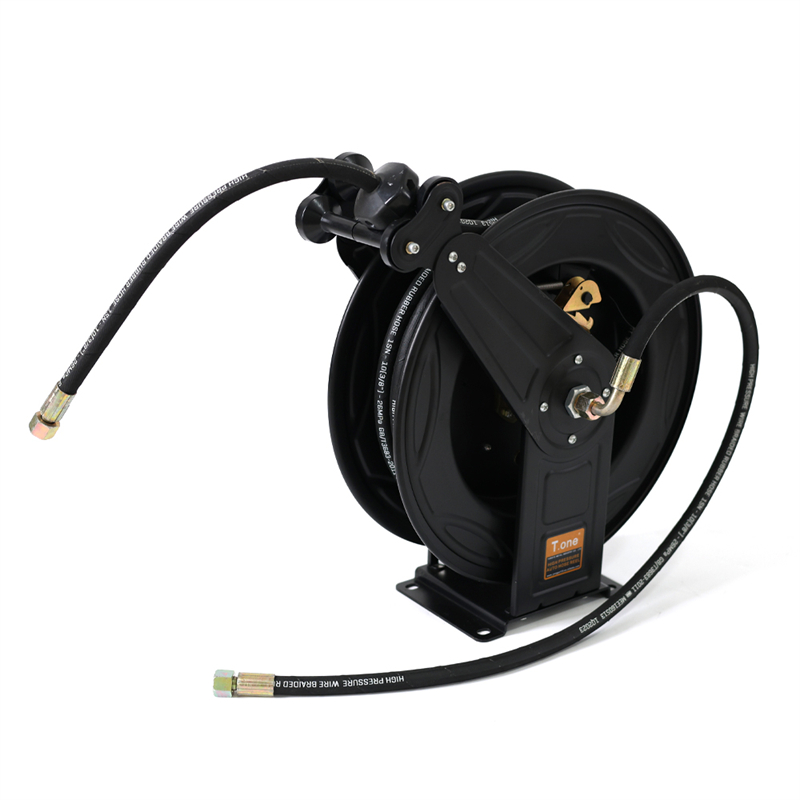
Wholesale High Pressure Hose Reel Installation Tips for Workshop Owners
When workshop owners buy high pressure hose reels in bulk, installation can feel like a big job. But there are ways to make it easier and more reliable. First, plan where every reel will go before starting work. Think about the workflow in your space. Hose reels should be close to where you use air or fluid most, but not in places that block doors or walkways. Measuring the wall space carefully helps avoid problems later. Yongye recommends using strong, solid mounting surfaces like concrete or metal studs. If your wall isn’t strong enough, add extra supports. Using the right anchors and screws is key. Cheap or weak fasteners won’t hold the reel safely. Next, take time to check each reel’s swivel function before mounting. This ensures the hose can turn without tension or twisting. If you find stiffness, fix it right away. When pulling the hose out for the first time, do it slowly and fully to check the length. Sometimes reels come with hoses that are a bit short for your needs. It’s better to notice this early so you can swap hoses or reels instead of struggling later. Also, label each reel with clear instructions or warnings about pressure limits and proper use. This helps workers avoid mistakes while using the equipment. In large workshops, organizing hose reels by color or size can prevent confusion. Another tip is to keep the area around each reel clean and free of obstacles. Dust, oil, or debris can damage hoses and reels over time. Regularly inspect the reels for leaks or wear, especially in busy workshops where reels get heavy use. Finally, training your team on how to use and maintain the hose reels properly makes a big difference. Even the best reels from Yongye can wear out early if they are pulled roughly or not rewound carefully. Teaching simple habits like rewinding the hose slowly and checking connections keeps everything working longer. Installing many hose reels doesn’t have to be hard if you follow these practical tips. Your workshop will stay safer, cleaner, and more efficient with good installation and care.
What Are the Key Factors for Durable High Pressure Hose Reel Setup
When setting up a high pressure washer hose and reel in a workshop, it is important to follow some key steps to make sure the hose reel lasts a long time and works well. First, choosing the right spot for the hose reel is very important. It should be placed where it is easy to reach but also safe from any heavy machines or moving parts that could damage it. The wall or surface where the hose reel will be mounted must be strong enough to hold its weight when the hose is fully extended. Yongye always recommends using solid bolts and anchors to fix the reel firmly, so it does not come loose during use.
Next, the hose reel must be installed so the hose can pull out smoothly and rewind easily. This means aligning the reel correctly and checking that the hose does not get pinched or twisted when pulling it out. If the hose bends too sharply, it can get weak spots and might break over time. Always leave enough space for the hose to move freely without touching sharp edges or rough surfaces.
Another important factor is making sure the connections are tight and leak-free. High pressure hoses carry fluids or air at strong pressure, so even a small leak can cause problems or waste energy. Yongye advises using the right type of fittings and double-checking them after installation. Using thread seal tape or special sealants can also help keep connections tight. Finally, regular cleaning and checking the hose reel after installation will keep it working well. Dust, dirt, and grease can make the hose reel parts stick or wear out faster, so keep it clean for a longer life.
By following these key factors, you can make sure your Yongye high pressure hose reel setup is strong, safe, and ready to work every day in your workshop.
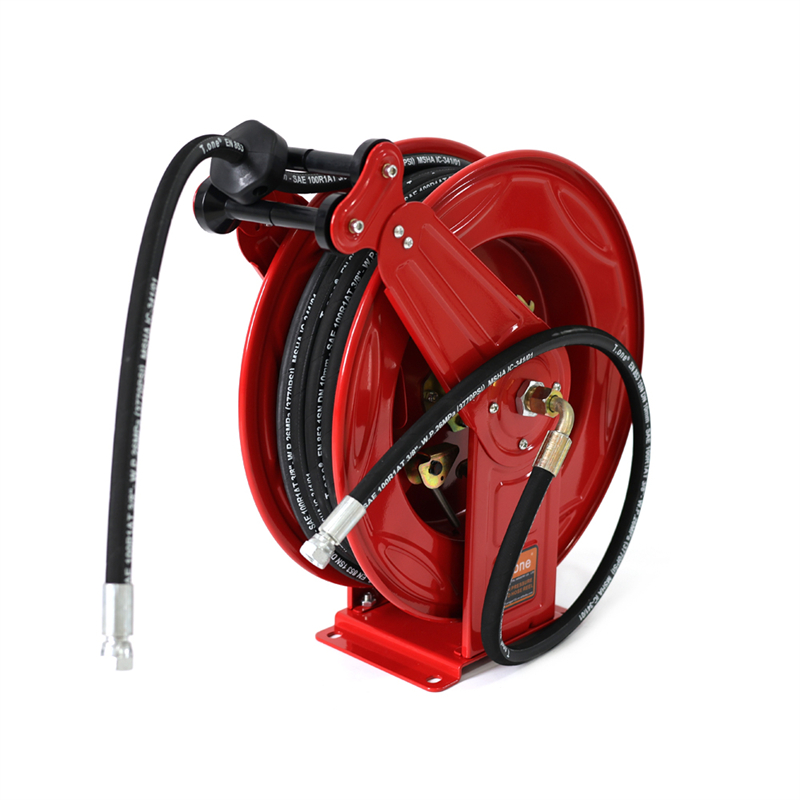
Troubleshooting Common Issues During High Pressure Hose Reel Installation
Installing a high pressure hose reel might seem easy, but sometimes problems can come up. Knowing how to fix these common issues can save time and keep your workshop safe. One problem many people face is the hose reel not rewinding properly. This often happens if the spring inside the reel is too loose or too tight. Yongye’s hose reels come with adjustable springs, so you can set the right tension. If the reel does not rewind, check the spring and adjust it carefully by following the instructions. Do not force the reel to rewind by hand because this can damage the spring.
Another issue is leaks at the hose connections. Leaks can happen if the fittings are not tight or if the wrong type of fitting is used. It is important to use the correct fittings that match the hose and reel. Yongye products are designed to fit well together, but if you need to connect to other parts, always check the size and type first. If you see a leak, turn off the pressure and tighten the fitting. If the leak continues, remove the fitting and apply thread seal tape before putting it back.
Sometimes the hose may get stuck or hard to pull out. This can happen if the hose is twisted or bent too much during installation. Make sure the hose is straight and has enough room to move without hitting anything. Also, check if the hose is the right length for your workspace. Using a hose that is too long or too short can cause problems.
Lastly, the mounting surface might not be strong enough to hold the reel. If the reel feels loose or moves when pulling the hose, check the bolts and anchors. Replace them with stronger ones if needed.
By knowing these common problems and how to fix them, you can install your Yongye high pressure hose reel smoothly and avoid delays or damage.
Why Proper Installation of High Pressure Hose Reels Improves Product Longevity
Proper installation of high pressure hose reels is very important because it helps the product last longer and work better. When a hose reel is installed correctly, the parts are not under extra stress or pressure. This means fewer chances of the hose breaking or parts wearing out. Yongye focuses on making hose reels that are strong and reliable, but even the best product needs good installation to stay in top condition.
One big reason proper installation improves product life is that it prevents damage to the hose itself. If the hose is bent sharply or twisted, small cracks can form. Over time, these cracks get bigger and cause leaks or bursts. When you install the hose reel the right way, the hose moves smoothly and stays healthy. This means fewer repairs and less time spent replacing hoses.
Proper installation also protects the reel mechanism. The spring, reel drum, and swivel joints work best when everything is lined up and mounted firmly. If the reel is loose or tilted, these parts can wear unevenly or break faster. Yongye’s installation guides help users mount the reel in the best position, keeping all parts working together nicely.
Another benefit is safety. A correctly installed pressure washer reel with hose reduces the chance of accidents, like hoses snapping back suddenly or falling reels. Safe workplaces mean workers can focus on their tasks without worry, and tools last longer because they are treated well.
Lastly, proper installation makes maintenance easier. When the reel is mounted in a good spot and all parts are tight and clean, checking and fixing the reel is faster and simpler. Regular maintenance is key to product longevity, and a good installation makes this possible.
In summary, installing your Yongye high pressure hose reel properly saves money and time by making the product last longer, work better, and stay safe. Taking care during setup is the first step to getting the best performance from your hose reel in your workshop.